Mold Removal
Targeted removal of visible mold growth and contaminated materials with containment and proper disposal to keep spores from spreading.
Serving Naperville, Illinois & surrounding areas
24/7 Emergency Response
Fast water cleanup and dry-out for leaks, flooding, and sewer backups. Get a clear plan, documented moisture readings, and restoration that protects your home from hidden damage.
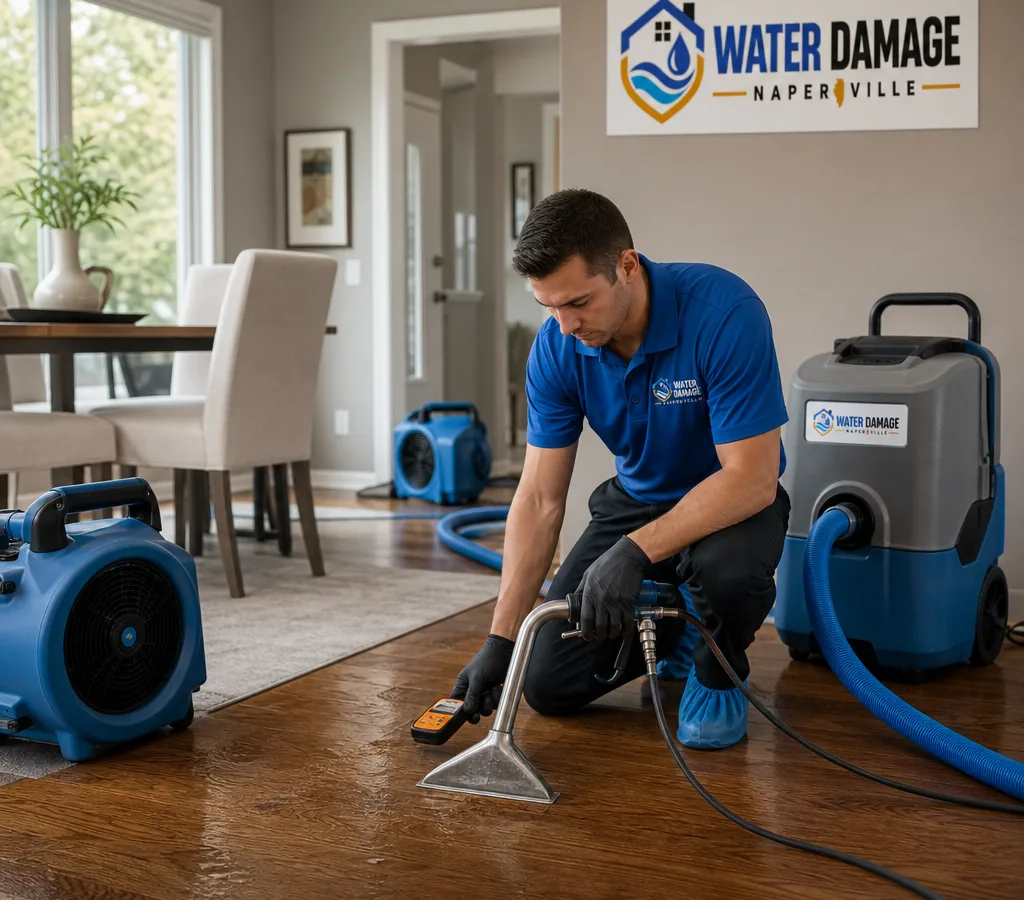
When water gets into flooring, drywall, or cabinets, the visible mess is only part of the problem. Water can move under baseboards, wick up walls, and sit in insulation or subfloors where it quietly causes swelling, odors, and mold growth. If you are searching for water damage Naperville help, you usually need two things quickly: removal of the water and a controlled dry-out that proves the structure is dry.
Water Damage Naperville handles residential water damage cleanup and restoration work with a trade-first approach. We focus on finding the full spread of moisture, setting up the right drying conditions—airflow, temperature, and dehumidification—and monitoring progress until materials reach safe moisture levels. You will know what is wet, what needs to come out, what can be saved, and what the next steps are before the job moves forward.
Common situations we respond to include:
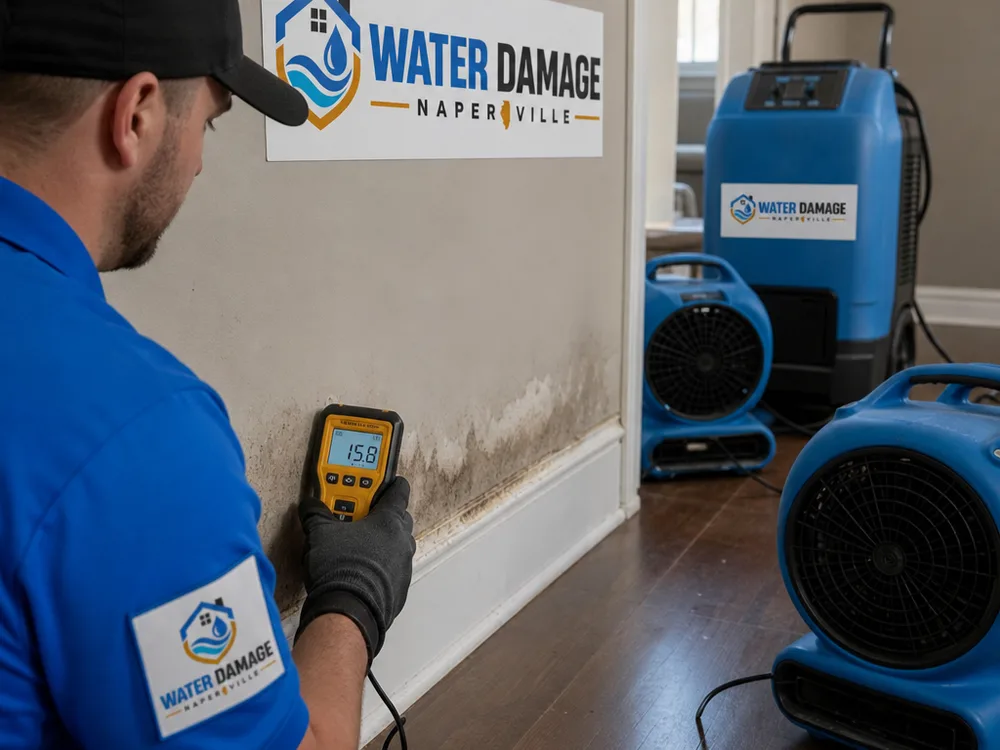
Targeted removal of visible mold growth and contaminated materials with containment and proper disposal to keep spores from spreading.
A room-by-room inspection to identify moisture sources, visible growth, and likely hidden problem areas before you commit to any cleanup.
Full remediation work that addresses the affected materials and the conditions that allowed mold to grow, followed by verification steps.
Sampling and testing to help confirm whether mold is present and guide decisions when odors or symptoms suggest a hidden issue.
Repair and rebuild after the dry-out: replacing damaged drywall, flooring, trim, or cabinetry so the space is usable again.
We check the surrounding materials and track moisture so drying is based on readings, not a timetable.
Clean water, gray water, and sewage require different handling. We set containment and cleaning steps that match the situation.
Air movers and dehumidifiers are placed and adjusted based on the affected rooms and materials, not just the square footage.
You get notes and moisture readings that explain what was wet, what was removed, and when materials reached dry standards.
We protect floors, keep work areas organized, and explain what to expect day by day so your household can function.
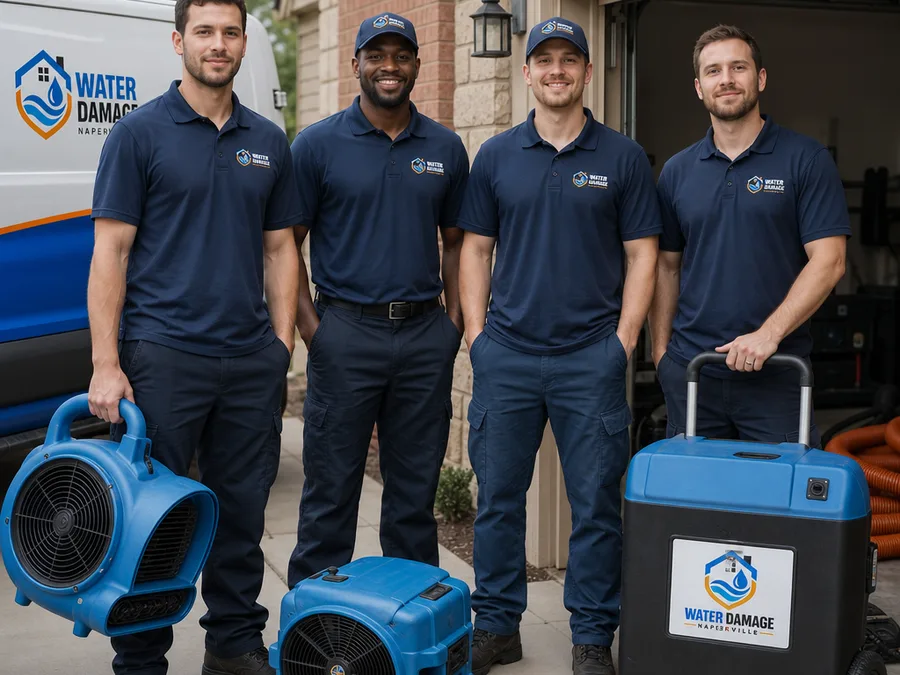
Water Damage Naperville is a local service based in Naperville, IL (60540), built around fast response and correct drying. Water damage is time-sensitive, but speed without a plan creates new problems, like trapped moisture behind finished surfaces or lingering odors days later.
Our work starts with a practical assessment of what happened, where the water traveled, and which materials are likely to be affected next. Then we set up extraction and structural drying with the right equipment for the conditions in the home. If materials are not salvageable, we explain why and outline options so you can make decisions with confidence.
If you are dealing with a wet basement, a ceiling stain that keeps growing, or a leak that soaked flooring overnight, we will help you stabilize the situation and move toward a proper restore. The goal is simple: stop the damage, dry the structure, and document the work so there is a clear record of what was done.
Water damage service in Naperville typically ranges from about $500 to $3,500 for smaller clean-water incidents (limited extraction and drying), while larger losses involving multiple rooms, saturated drywall, or contaminated water often run $4,000 to $12,000+ depending on what must be removed and rebuilt.
Final cost depends on the amount of water, how long it sat, affected materials (hardwood, carpet, drywall, insulation), accessibility, and whether containment and specialized cleaning are required. The exact price is confirmed after an on-site inspection and moisture mapping.
We identify the origin of the water and the likely travel path, then help stabilize the area so damage does not continue.
Standing water is extracted, and materials that cannot dry safely are removed with appropriate containment when needed.
We place air movers and dehumidifiers to control humidity and airflow and prevent moisture from lingering in cavities and subfloors.
Moisture readings guide adjustments until targeted materials reach acceptable dry standards for repair.
Once dry, we outline repair scope for drywall, flooring, trim, cabinets, and paint so you can put the space back together.
If water is still spreading, the next best step is a same-day inspection and moisture map so you know what is wet, what can be saved, and what needs to happen next.
Call for Emergency HelpWe work throughout Naperville, focusing on the practical issues that vary by home type, basement conditions, and how water typically enters and spreads.
Request Emergency ServiceResponse is typically available the same day, and urgent situations are prioritized because water can spread under flooring and into wall cavities within hours. When you reach out, we will ask a few quick questions about the source (supply line, appliance, sump, or backup) and the areas affected so we arrive with the right extraction and drying equipment.
Yes, we handle basement water cleanup, including extraction and structural drying for concrete, finished basements, and carpeted areas. If the water contacted drywall, trim, or insulation, we will check those materials with a meter and explain whether drying in place is realistic or removal is the safer choice.
Yes, the category of water changes both safety steps and what materials can be saved. Sewage or heavily contaminated water typically requires removal of porous materials, thorough cleaning and disinfection, and containment practices to protect the rest of the home.
We remove materials only when they cannot be dried safely or when drying in place would trap moisture and cause long-term issues. You will get a clear explanation based on material type, how saturated it is, and moisture readings taken in multiple locations around the loss.
Yes, we can provide documentation that supports the claim, including notes on affected areas, drying setup, and moisture monitoring. Coverage and approvals depend on the policy and the loss, but we keep the scope clear and itemized so decisions are easier for everyone involved.
If it is safe, stop the water source and shut off electricity to wet areas, especially where water is near outlets, ceilings, or appliances. Avoid running HVAC if return vents are pulling humid air through the system, and do not assume visible drying means the structure is dry, since moisture often remains under flooring and behind baseboards.
Tell us what happened and which rooms were affected. We will schedule an on-site inspection, map the moisture, and give you a clear plan to dry and restore the space.