Moisture inspection, not guesses
We locate wet areas with moisture meters and map the affected zone so drying equipment is placed where it will actually work, including along baseboards and under flooring when needed.
Serving Naperville, Illinois & surrounding areas
24/7 Emergency Response
When water gets into drywall, flooring, or cabinets, minutes matter. Get a fast on-site assessment, a clear drying plan, and careful restoration work that protects your home or business.
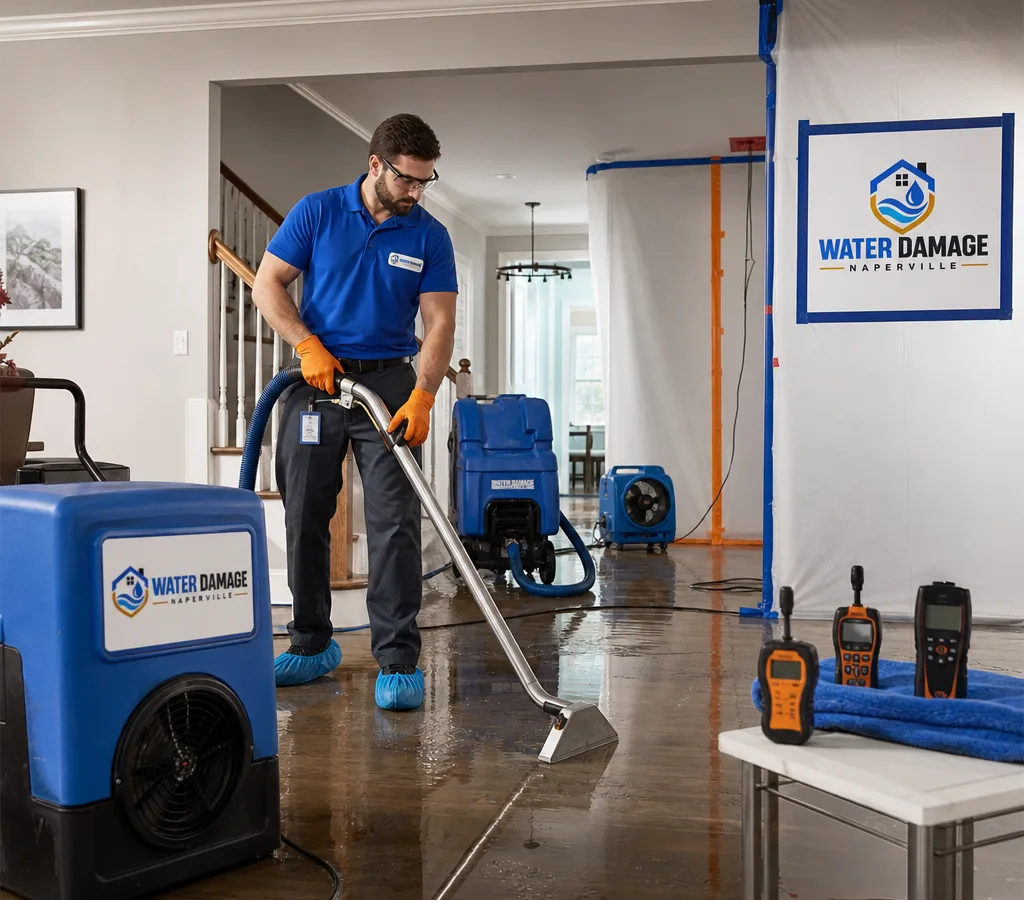
If you are searching for water damage restoration Naperville IL, you are probably dealing with an active leak, a soaked room, or lingering damp that will not dry on its own. Water spreads under flooring, wicks up drywall, and soaks insulation quickly. The goal is to stop the loss, remove water, dry the structure to a verified target, and then repair what was affected.
Water Damage Naperville handles residential and commercial water damage restoration in Naperville, IL. We focus on practical, measurable steps: moisture mapping, controlled drying, and documentation so you know what is happening and why.
Naperville homes often have finished basements and multiple flooring types on one level, such as carpet next to hardwood or LVP. Those transitions are where hidden moisture causes problems later if drying is not managed correctly. We plan the work around your materials, your layout, and how water actually moved through the space.
We locate wet areas with moisture meters and map the affected zone so drying equipment is placed where it will actually work, including along baseboards and under flooring when needed.
We remove standing water, then use professional air movers and dehumidifiers to dry structural materials in a controlled way, adjusting the setup as readings change.
When demo is necessary, we isolate the work area to limit dust and keep unaffected rooms usable, which matters in occupied homes and active businesses.
You get a written plan for cleanup, drying, and repairs, plus realistic timing so you can plan around pets, kids, work hours, or tenants.
After the structure is dry, we coordinate the rebuild steps that typically follow water damage, like drywall replacement, trim, and resetting flooring where appropriate.
Water damage restoration is a process, not a single visit. The right steps depend on the water source, how long it ran, and what materials were affected.
Typical work includes:
Understanding urgent cleanup versus planned rebuild work helps you make good decisions early.
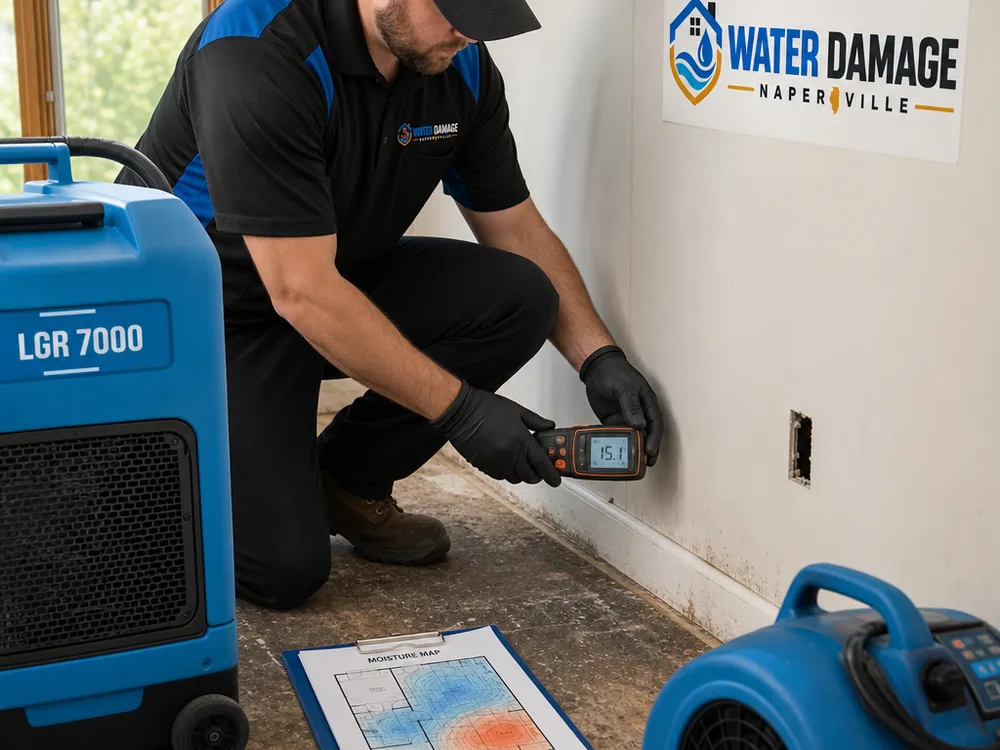
We identify the water source, inspect affected rooms, and take baseline moisture readings. You get a plan that matches the actual spread of water, including likely hidden pathways like under thresholds and along exterior walls.
We remove standing water and reduce humidity fast to slow further absorption into drywall and wood. If contents need to be moved or protected, we do that early to limit secondary damage.
Equipment is placed for airflow and dehumidification based on the room geometry and materials. We monitor and adjust until moisture readings indicate materials are drying correctly, not just at the surface.
If materials cannot be dried to a safe condition, we remove them in a targeted way so the structure behind them can dry fully. We keep the work area clean and contained.
Once the area is dry, we help move the project into repairs, whether that is drywall and paint, trim, flooring reset, or other finish work needed to bring the space back to normal.
Water damage restoration in Naperville typically ranges from about $900 to $6,500+, depending on how much water is present and what has to be removed and rebuilt. A small contained leak with extraction and a few days of drying often lands at the lower end, while basement water loss with saturated drywall, flooring removal, and longer drying time pushes higher.
Final cost changes with the affected square footage, water category, how long materials stayed wet, access such as basement stairs or tight rooms, what can be salvaged, and the number of drying days. The exact scope and price are confirmed after an on-site inspection and moisture readings.
Water damage behaves differently depending on the building and season. These local factors can affect both the restoration timing and the drying method.
Request Emergency ServiceMany properties have finished basements where water can spread under carpet, pad, or floating floors before it is visible. Drying may require lifting edges, removing sections, or using specialty approaches to reach the subfloor.
Cold snaps in northern Illinois can lead to supply-line failures or appliance-line bursts. Rapid extraction and drying help limit migration into wall cavities.
When water enters through foundation walls or window wells, the plan often includes extra attention to hidden moisture along perimeter walls and behind baseboards.
Kitchens, laundry rooms, and entries can have cabinets, drywall, and flooring affected at once. Drying may need to protect cabinets and toe-kicks while creating targeted access behind them.
When comparing providers, ask how drying completion is verified. A sound answer includes moisture readings, a documented drying plan, and a clear explanation of what materials can or cannot be saved.
Homeowners value knowing what can be saved, what needs removal, and when moisture readings show the structure is dry.
“A supply line let go while we were out and the basement carpet was soaked. They explained what could be saved, set up drying equipment the same day, and kept checking moisture until everything was dry. The room didn't end up with that musty smell we were worried about.”
“What I appreciated most was the written scope and the updates. We knew what was happening each visit, and what had to be removed versus what could dry in place.”
Drying should start as soon as possible, ideally the same day, because water begins soaking into drywall, trim, and subfloors immediately. Quick extraction and dehumidification reduces how far moisture travels into wall cavities and under flooring, which can lower the amount of material that needs to be removed later.
Sometimes, yes, if moisture readings show the materials are drying effectively and there is no trapped water behind finishes. Drywall that is heavily saturated, insulation that is wet, or flooring that has swollen or delaminated often needs selective removal so the structure behind it can dry and stay stable.
The drying phase commonly takes several days, and rebuild time depends on what was affected. A small leak in one room may dry quickly, while a basement loss that impacts drywall, trim, and flooring can take longer because there are more materials to remove, dry, and then restore.
Stop the water source if it is safe, avoid wet areas around outlets or electrical cords, and move small valuables out of the affected area. If you can do so safely, place towels or a container to catch drips and keep foot traffic off wet carpet or hardwood to limit tracking water into other rooms.
Yes, we can provide documentation of moisture readings, drying equipment, and the work performed so you have clear records for your claim. Coverage depends on your policy and the cause of loss, so we focus on documenting conditions and scope accurately for the adjuster review.
Often, yes. Musty odor can mean materials stayed damp long enough for microbial growth or that moisture remains in hidden areas like under flooring, behind baseboards, or inside wall cavities. A moisture inspection can confirm whether the structure is actually dry and what targeted cleaning or removal is needed.
Tell us what happened and what areas are affected. We will schedule an on-site assessment in Naperville, explain what can be saved, and provide a written scope for water damage restoration so you can make decisions with confidence.